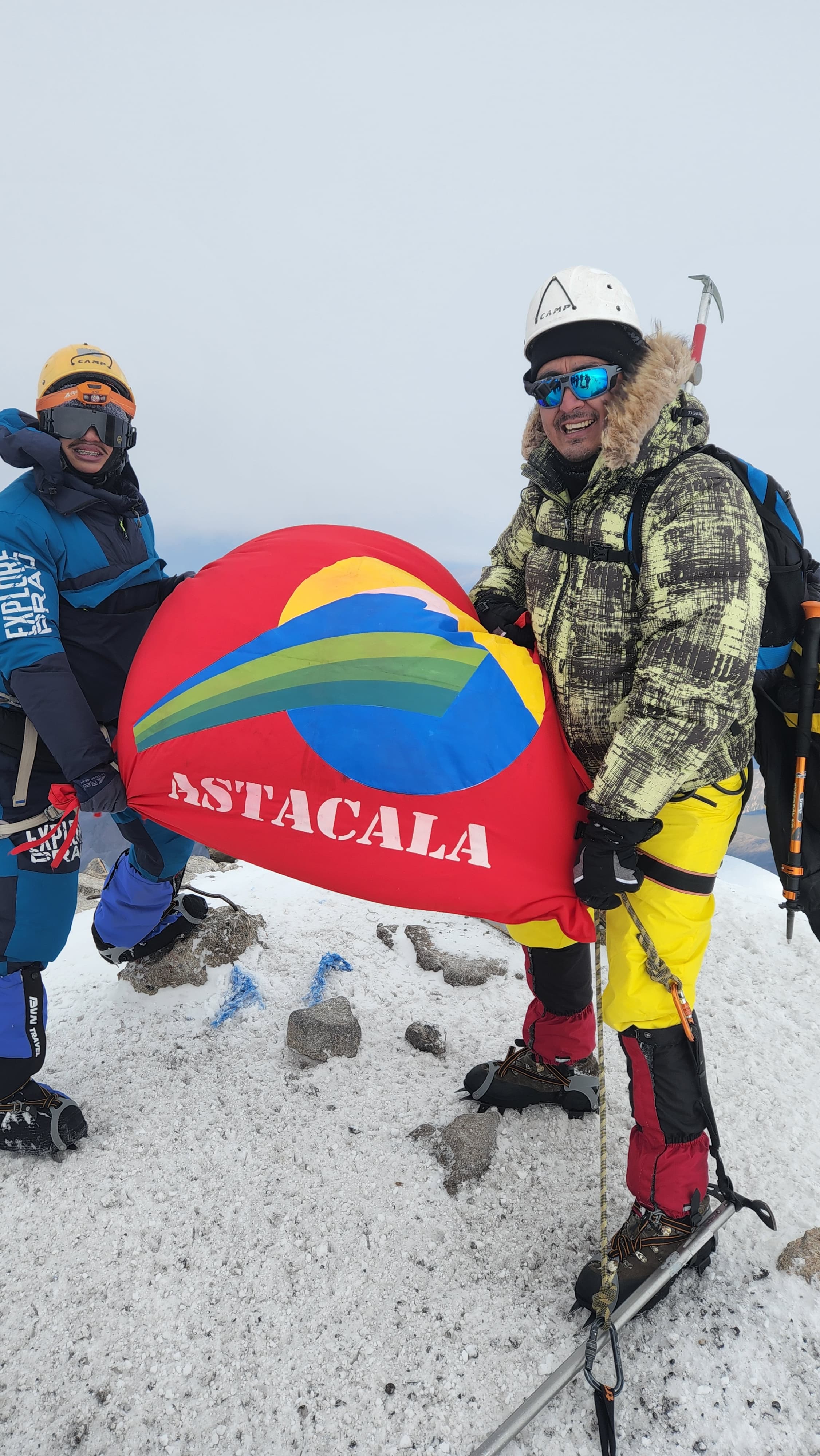
ATEX 2024 International Expedition
Leadership & Expedition Management Mount Elbrus, Russia
Overview
ATEX (ASTACALA Tel-U International Expedition) 2024 was an international mountaineering program to summit Mount Elbrus in Russia, one of the highest peaks in Europe. As the Expedition Leader, I was fully responsible for the preparation, coordination, and field execution of the entire expedition.
Background
Leading an international expedition is not just about reaching the summit it's about guiding a team through extreme pressure, making critical decisions in harsh conditions, and maintaining the safety and morale of every team member. This experience became one of the most valuable leadership journeys that shaped my management, communication, and mental resilience capabilities.
Goals
- 1Successfully lead the team to summit Mount Elbrus safely
- 2Develop comprehensive expedition strategy and logistics
- 3Maintain team morale and safety in extreme conditions (-20°C)
- 4Build effective communication and coordination systems
- 5Document the expedition for organizational learning
Challenges
Extreme Weather Conditions
Temperatures dropping below -20°C with strong winds, affecting physical condition, concentration, and team movement pace.
Logistics Management
Distribution of equipment, food, and climbing necessities had to be calculated precisely to keep the entire team moving effectively.
Altitude Acclimatization
Drastic altitude changes required all members to adapt to prevent altitude sickness, demanding regular monitoring of team conditions.
Team Coordination Under Pressure
With declining physical conditions, communication became a significant challenge. Maintaining coordination in extreme situations required strong leadership.
Solutions
- Developed detailed expedition timeline and contingency plans
- Implemented regular health check protocols for all team members
- Established clear communication channels and decision-making hierarchy
- Created adaptive strategy adjustments based on real-time weather conditions
- Maintained team motivation through consistent encouragement and leading by example
Key Features
Strategic Planning
Led comprehensive expedition planning including timeline, international administration, logistics, climbing strategy, and task delegation.
Field Decision Making
Made critical real-time decisions including weather-based strategy adjustments, team condition evaluations, and safety prioritization.
Team Mental Resilience
Maintained team spirit through open communication, consistent motivation, disciplined leadership, and fostering team cohesion throughout the journey.
Impact & Results
Lessons Learned
- →Leadership under pressure requires calm thinking and decisive action
- →Effective communication is the backbone of team success in extreme conditions
- →Risk management and adaptability are essential for any high-stakes endeavor
- →True leadership is about responsibility and standing at the front when situations get difficult
- →Team success depends on collective vision, communication, and trust
Gallery
Interested in working together?
I am currently open to software engineering opportunities, enterprise platform developments, and technical consulting.